Low-carbon European diets
Eight ways of eating that grew out of European land and coastline — ranked by the climate cost of a day's food, against an EU average of about 6.0 kg CO₂e.
- Germany & AustriaPlant-based
European Vegan
Entirely plant-based and regionally sourced: European pulses, oats, rapeseed and seasonal produce rather than imported superfoods.
Footprint1.6 kg CO₂e / day73% below the EU average
On the plate
- · Lupin & fava protein
- · Oats
- · Rapeseed oil
- · Sauerkraut & ferments
- · Local nuts
Sparingly
- · Air-freighted avocado
- · Almond milk
- · Imported soy
Dishes to try
Lupin bean stew
European lupin beans simmered with root vegetables and herbs.
Oat & rapeseed porridge
Rolled oats cooked with rapeseed oil, seasonal fruit and local nuts.
Sauerkraut & potato plate
Fermented cabbage with boiled potatoes, a German plant-based staple.
The lowest-footprint pattern here — but only when the substitutes are grown on the continent.
- EAT-Lancet, Norway & SwedenPlant-forward
Planetary Health Plate
Half the plate vegetables and fruit, the rest wholegrains, plant protein and modest amounts of dairy, poultry or fish — the reference diet for staying inside planetary boundaries.
Footprint2.3 kg CO₂e / day62% below the EU average
On the plate
- · Legumes
- · Nuts & seeds
- · Wholegrains
- · Vegetables
- · Unsaturated plant oils
Sparingly
- · Red meat (≈14 g/day)
- · Added sugar
- · Starchy staples in excess
Dishes to try
Half-plate vegetable bowl
Roasted seasonal vegetables over wholegrains with a legume side.
Lentil & nut salad
Green lentils, toasted walnuts and unsaturated plant oils.
Wholegrain porridge
Oats and barley with nuts and seeds, a planetary-health breakfast staple.
If adopted across the EU it would cut food-system emissions by roughly half against current averages.
- Netherlands & BelgiumIncludes animal products
Flexitarian
Meat becomes a condiment rather than the centre: two or three animal-protein meals a week, of higher welfare and better provenance.
Footprint2.9 kg CO₂e / day52% below the EU average
On the plate
- · Pulses
- · Tofu & tempeh
- · Eggs from pasture flocks
- · Seasonal veg
Sparingly
- · Daily meat
- · Processed charcuterie
- · Industrial dairy
Dishes to try
Tofu & vegetable stir-fry
Pan-fried tofu with seasonal vegetables, a meat-free weekday staple.
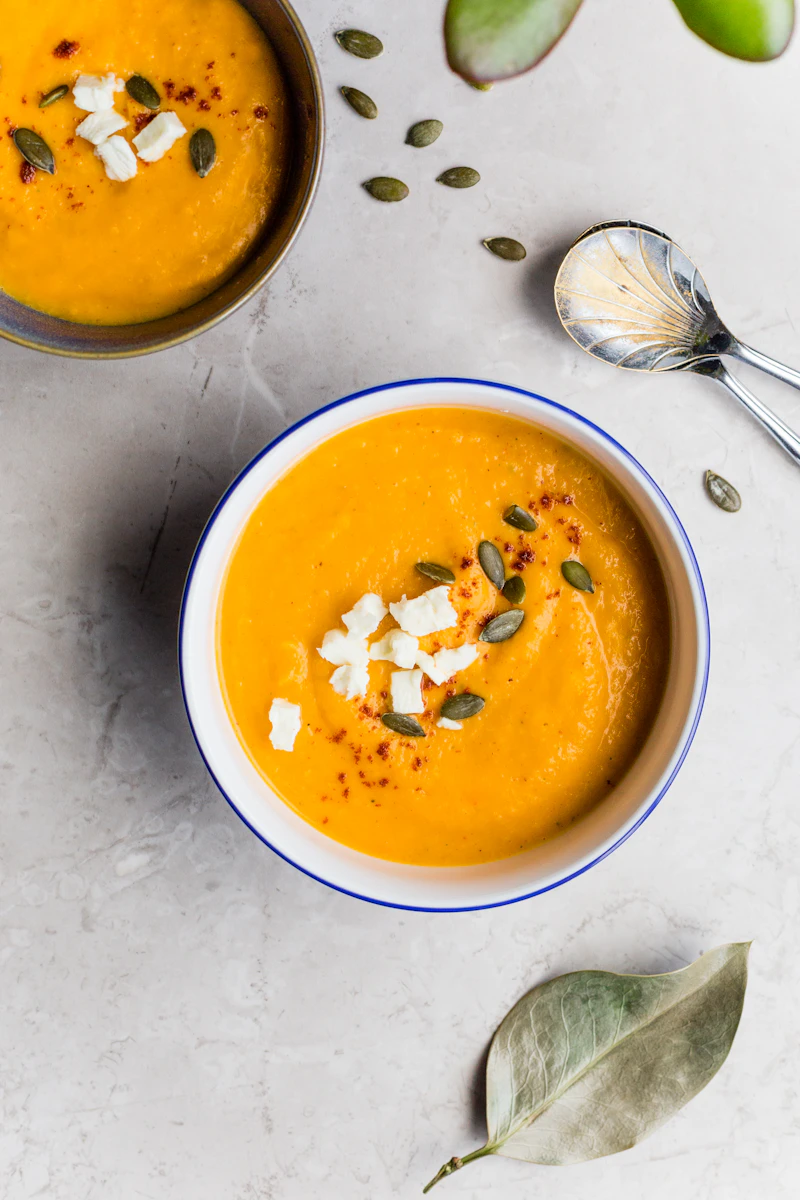
Pea & mint soup
Bright green pea soup finished with fresh mint and crème fraîche.
Pasture-egg shakshuka
Eggs from pasture flocks poached in a tomato and pepper sauce.
The 'Donderdag Veggiedag' campaign in Ghent showed the easiest lever is frequency, not total abstinence.
- Denmark, Sweden, FinlandPlant-forward
New Nordic
Rye, barley, oats, root vegetables, cabbage, berries, rapeseed oil and wild-caught fish — built around what actually grows at latitude 56°N.
Footprint3.0 kg CO₂e / day50% below the EU average
On the plate
- · Rye & barley
- · Root vegetables
- · Cabbage & kale
- · Berries
- · Herring & mackerel
- · Rapeseed oil
Sparingly
- · Rice
- · Greenhouse tomatoes in winter
- · Pork in daily portions
Dishes to try
Rye bread with pickled herring
Dense sourdough rye topped with soused herring and dill.
Root vegetable & cabbage soup
Slow-simmered root vegetables and cabbage in a clear broth.
Skyr with berries
Thick Nordic yogurt with wild lingonberries and oats.
Designed explicitly around regional, seasonal supply — its low footprint comes from short supply chains, not exotic substitutes.
- Greece, Italy, SpainPlant-forward
Mediterranean
Olive oil, pulses, wholegrains, vegetables and fruit at the centre; fish a few times a week, red meat rare and celebratory.
Footprint3.2 kg CO₂e / day47% below the EU average
On the plate
- · Chickpeas & lentils
- · Extra-virgin olive oil
- · Wholegrain pasta & bread
- · Seasonal vegetables
- · Small oily fish
Sparingly
- · Beef & lamb
- · Hard cheese in bulk
- · Out-of-season imports
Dishes to try
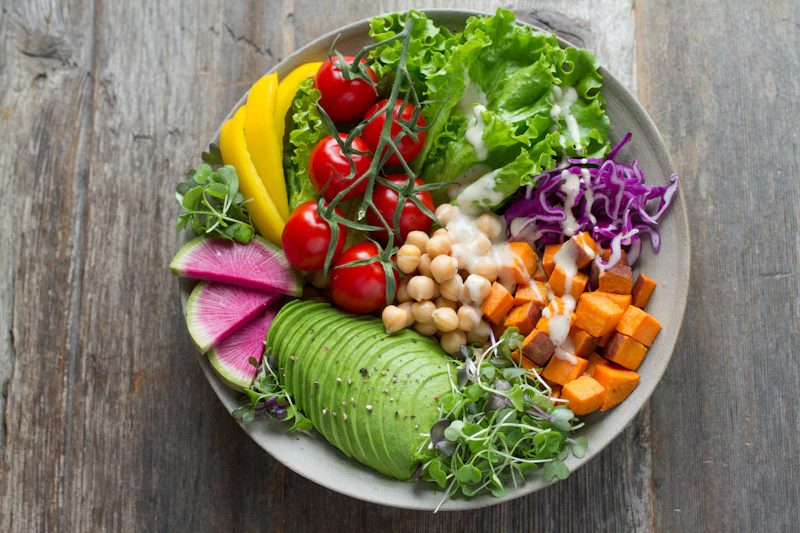
Chickpea & vegetable salad
Chickpeas, cucumber, tomato and olive oil — a Greek-Italian staple.
Grilled sardines
Small oily fish, char-grilled with lemon — a low-footprint Mediterranean protein.
Wholegrain pasta e fagioli
Pasta and borlotti beans simmered together, an Italian pantry classic.
UNESCO-listed and repeatedly the best-evidenced pattern for both health and emissions in southern Europe.
- Galicia & northern PortugalIncludes animal products
Southern Atlantic
Potatoes, brassicas, chestnuts, bread and beans with sardines, mussels and octopus — a coastal pattern where protein comes from low-impact seafood.
Footprint3.4 kg CO₂e / day43% below the EU average
On the plate
- · Sardines & mackerel
- · Rope-grown mussels
- · Caldo verde greens
- · Chestnuts
- · Broad beans
Sparingly
- · Prawns (trawled)
- · Beef
- · Long-haul white fish
Dishes to try
Mussels in white wine
Rope-grown mussels steamed with garlic, parsley and white wine.
Caldo verde
Portuguese kale and potato soup with a thin slice of chouriço.
Grilled octopus
Galician-style pulpo á feira with paprika, olive oil and potatoes.
Bivalves are among the lowest-carbon animal proteins on earth — roughly a twentieth of beef per gram of protein.
- Switzerland & AustriaIncludes animal products
Seasonal Alpine
Preserving, fermenting and cellaring instead of importing: root cellars, sauerkraut, dried fruit and mountain cheese through the winter months.
Footprint3.6 kg CO₂e / day40% below the EU average
On the plate
- · Cellared roots
- · Fermented cabbage
- · Dried apples & plums
- · Hay-milk cheese
- · Spelt & rye
Sparingly
- · Heated-greenhouse salad
- · Winter berries
- · Air-freighted fruit
Dishes to try
Rösti with cellared roots
Grated potato rösti with roasted carrots, parsnips and beets.
Fermented cabbage & sausage
Sauerkraut braised with spelt and a small portion of sausage.
Dried fruit & rye compote
Cellared dried apples and plums stewed with rye and spice.
Heated greenhouse produce can carry ten times the emissions of the same vegetable grown in season.
- Ireland, Alps & WalesIncludes animal products
Regenerative Omnivore
For those who eat meat: pasture-raised on land that cannot grow crops, whole-carcass butchery, and less of it. Grazing on permanent grassland can hold carbon in the soil.
Footprint4.1 kg CO₂e / day32% below the EU average
On the plate
- · Grass-fed offal & cheaper cuts
- · Alpine hay-milk cheese
- · Wild venison & game
- · Mutton
Sparingly
- · Grain-finished beef
- · Feedlot chicken
- · Imported soy-fed pork
Dishes to try
Slow-braised beef cheek
Grass-fed offal cut, braised for hours until it falls apart.
Alpine hay-milk cheese board
Cheese from cows grazed on permanent Alpine grassland.
Roast venison
Wild game roasted simply, served with root vegetables.
Higher than the plant-forward patterns, and honestly so — but far below the EU average of about 6 kg CO2e/day.






Figures are indicative daily food-intake footprints compiled from published European dietary life-cycle assessments. They vary with season, sourcing and portion size — treat them as direction, not measurement.